Archives
- 2026-07
- 2026-06
- 2026-05
- 2026-04
- 2026-03
- 2026-02
- 2026-01
- 2025-12
- 2025-11
- 2025-10
- 2025-09
- 2025-03
- 2025-02
- 2025-01
- 2024-12
- 2024-11
- 2024-10
- 2024-09
- 2024-08
- 2024-07
- 2024-06
- 2024-05
- 2024-04
- 2024-03
- 2024-02
- 2024-01
- 2023-12
- 2023-11
- 2023-10
- 2023-09
- 2023-08
- 2023-07
- 2023-06
- 2023-05
- 2023-04
- 2023-03
- 2023-02
- 2023-01
- 2022-12
- 2022-11
- 2022-10
- 2022-09
- 2022-08
- 2022-07
- 2022-06
- 2022-05
- 2022-04
- 2022-03
- 2022-02
- 2022-01
- 2021-12
- 2021-11
- 2021-10
- 2021-09
- 2021-08
- 2021-07
- 2021-06
- 2021-05
- 2021-04
- 2021-03
- 2021-02
- 2021-01
- 2020-12
- 2020-11
- 2020-10
- 2020-09
- 2020-08
- 2020-07
- 2020-06
- 2020-05
- 2020-04
- 2020-03
- 2020-02
- 2020-01
- 2019-12
- 2019-11
- 2019-10
- 2019-09
- 2019-08
- 2019-07
- 2019-06
- 2019-05
- 2019-04
- 2018-11
- 2018-10
- 2018-07
-
Many metalloenzyme inhibitors consist of two chemical compon
2025-01-21
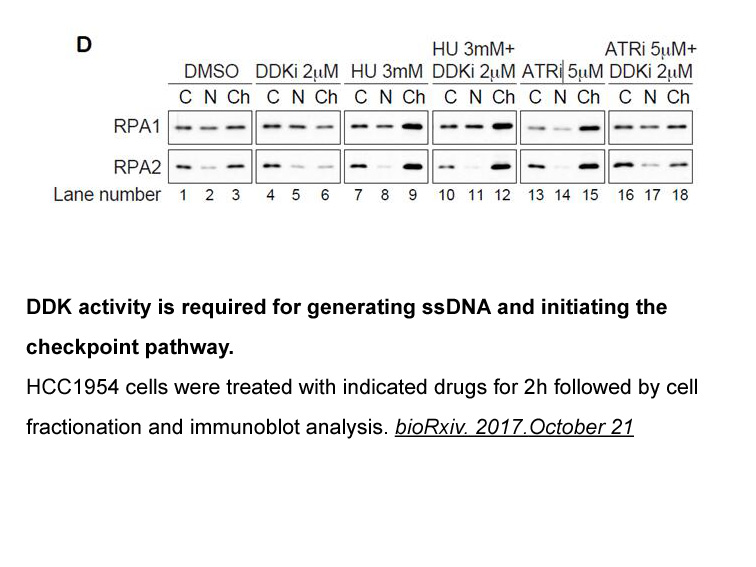
Many metalloenzyme inhibitors consist of two chemical components: the MBG, the portion of the inhibitor designed to bind to the metal, and the scaffold, the portion of the inhibitor recognized by the amino Clindamycin HCl residues that form the substrate-binding site of the metalloenzyme. The MGB is
-
In addition to the data provided by the Ki treatment
2025-01-21
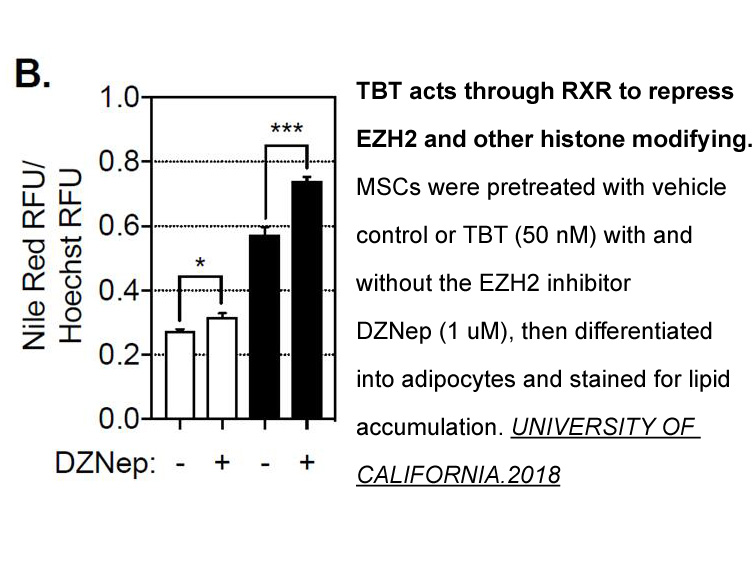
In addition to the data provided by the Ki16425 treatment in the K/BxN arthritis model, new findings from the study of two new LPA receptor antagonists confirm the involvement of the LPA pathway in the pathogenesis of experimental arthritis. In the study by Miyabe et al., the authors reported the tr
-
br Materials and methods Bacterial
2025-01-21
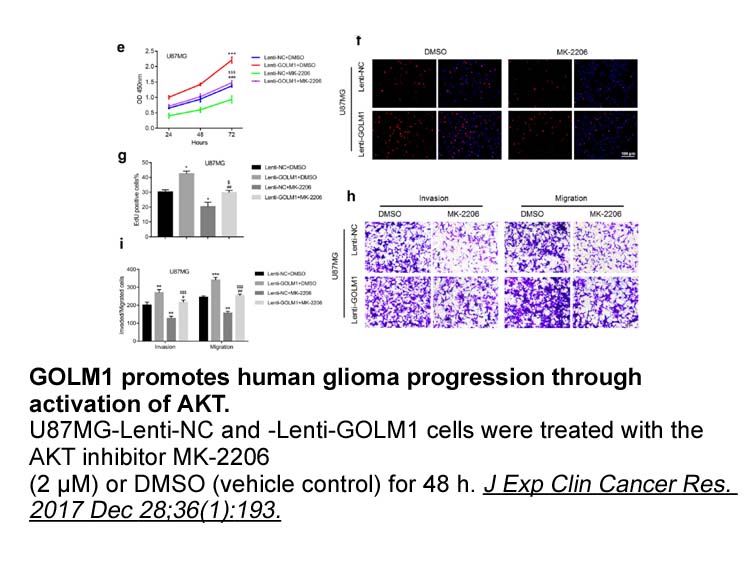
Materials and methods Bacterial strains and growth conditions. Escherichia coli TOP10 and E. coli BL21Star (DE3) (ThermoFisher, Waltham, MA) were grown at 37 °C in Luria broth (LB) or LB-agar containing kanamycin (50 μg/ml). Bioinformatic analyses. The amino 2'-deoxy-2'-fluoro-ATP sequence of R
-
br Results br Discussion br Conclusion The
2025-01-21
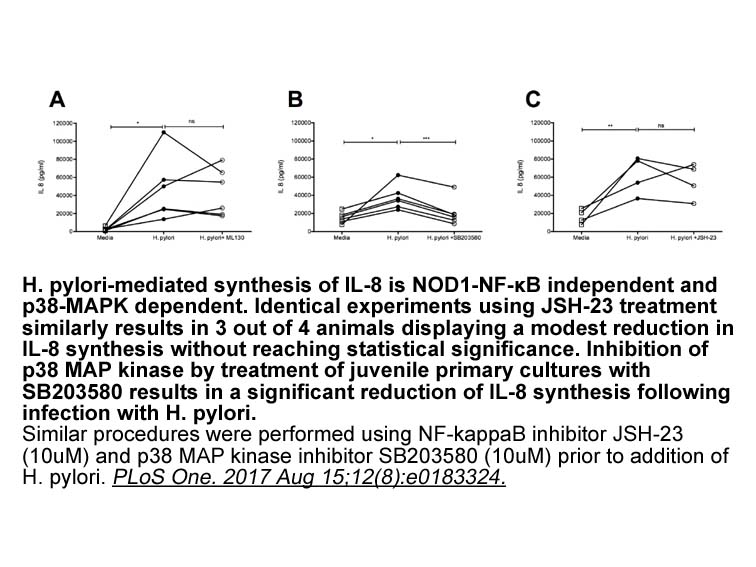
Results Discussion Conclusion The flux of glucose into cytosolic short chain acyl-CoAs was maintained in pure beta VU 591 hydrochloride in the presence of inhibition of ATP citrate lyase with hydroxycitrate and also in a cell line with >90% ATP citrate lyase knockdown suggesting that a pat
-
Telomerase action at the telomere is highly regulated it
2025-01-20
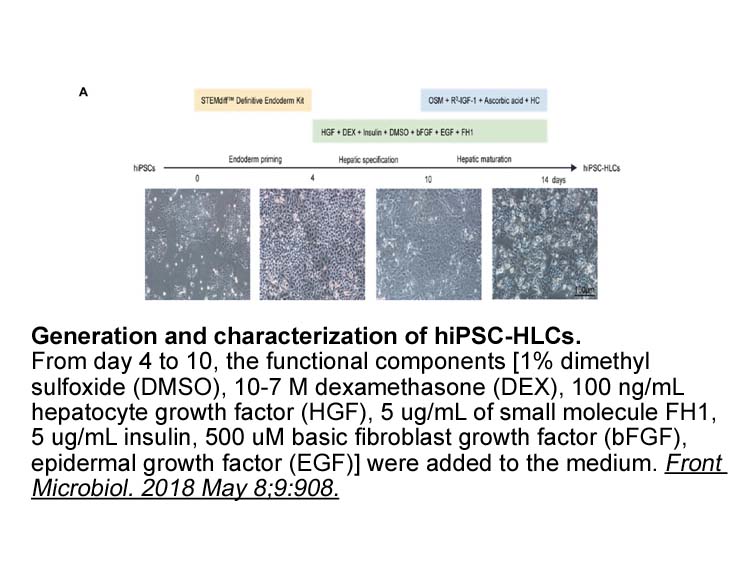
Telomerase action at the telomere is highly regulated; it preferentially elongates the shortest telomeres, and recruitment of the enzyme complex to the telomere occurs in mid-S phase of the cell cycle (Bianchi and Shore, 2007, Britt-Compton et al., 2009, Teixeira et al., 2004, Hemann et al., 2001, T
-
TUNEL assay Apoptotic DNA fragmentation in cells was measure
2025-01-20
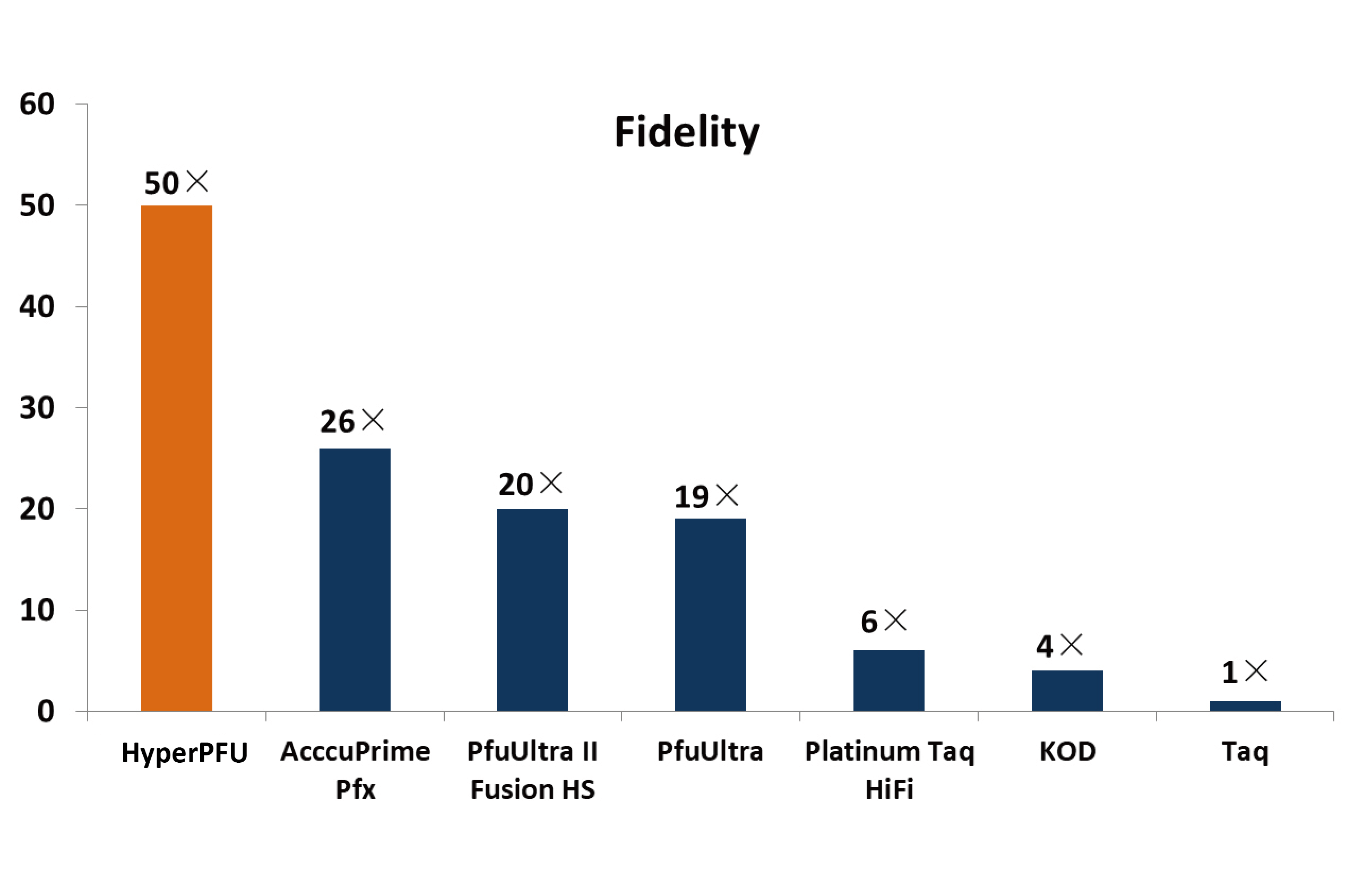
TUNEL assay. Apoptotic DNA fragmentation in GW9662 was measured using a commercially available TUNEL assay kit (Thermo Fisher). Frozen cells were fixed with 10% paraformaldehyde/PBS. Apoptosis was determined by staining the 3′-OH ends of fragmented DNA with biotin-dNTP using DNA I klenow fragment at
-
Abnormalities in placentation in patients with PE appear to
2025-01-20

Abnormalities in placentation in patients with PE appear to be associated with changes in different components of the signaling pathway that mediates cytotrophoblast migration/invasion. Studies have showed that the activation of the Notch signaling pathway is associated with the differentiation and
-
N terminally extended antigenic peptide precursors
2025-01-20

N-terminally extended antigenic peptide precursors that survive cytosolic degradation and enter the ER, need to be further processed by ERAP1 and/or ERAP2, in order to acquire the right length required for MHCI binding. ERAP1 (ERAAP in mouse) is an IFN-γ-inducible, metalloaminopeptidase that trims N
-
The evidence points toward a role for LO activity
2025-01-20
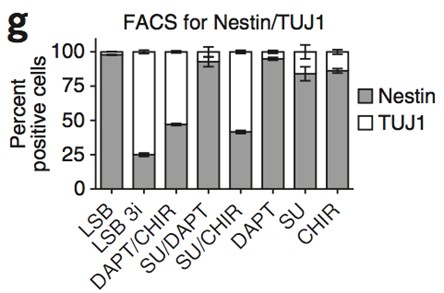
The evidence points toward a role for 12/15-LO activity in WAT in modulating chronic local inflammation and subsequent systemic metabolic decline in the obese state. However, little is known as to the role of 12- and 15-LOs in BAT. Indeed, in addition to WAT, platelet- and leukocyte-type 12-LO are e
-
We recently identified a G A dependent epigenetic mechanism
2025-01-20

We recently identified a G9A-dependent epigenetic mechanism for transcriptional activation of the serine pathway in cancer cells (Ding et al., 2013). G9A, also known as EHMT2 and KMT1C, is a H3K9 methyltransferase that has a primary role in catalyzing H3K9me1 and H3K9me2 in euchromatin (Shinkai and
-
br Discussion In a series of linear mixed
2025-01-20
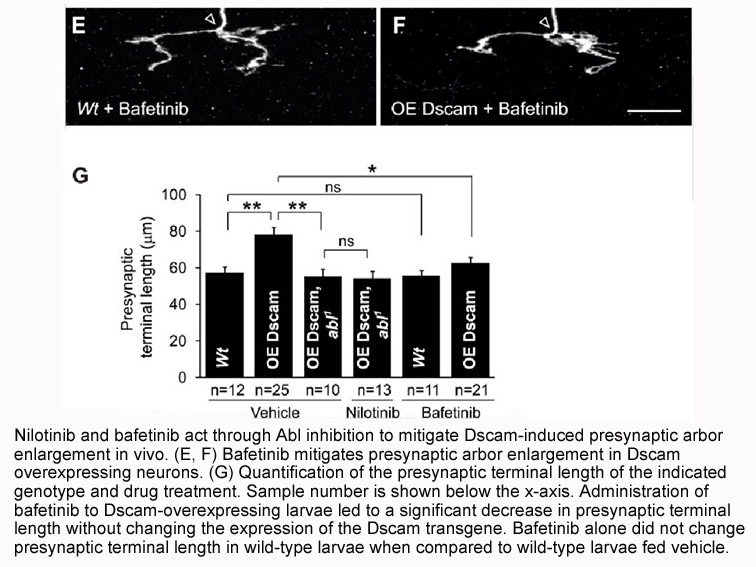
Discussion In a series of linear mixed effects models of longitudinal neuroanatomical change, we have identified genetic risk variants associated with an increase in umi 2 shape asymmetry in AD. The closest genes associated with significant SNPs include BIN1 (rs6733839), CD2AP (rs10948363), and
-
Moreover mice exposed to high cholesterol
2025-01-20
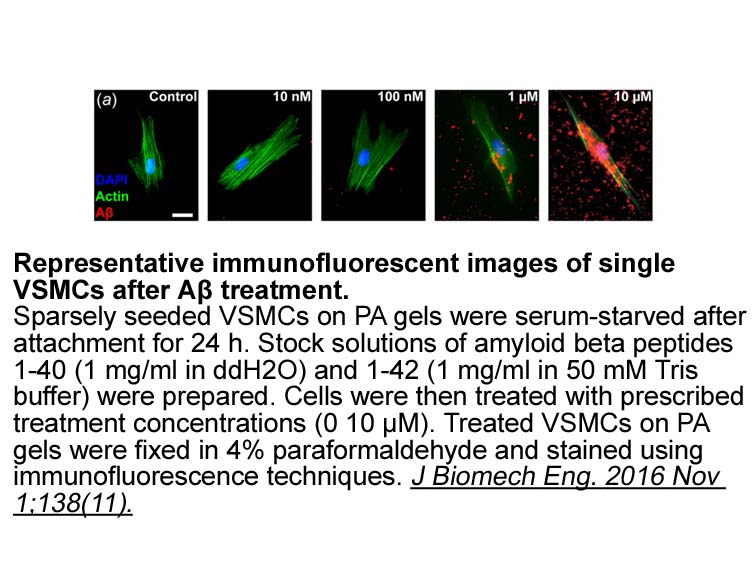
Moreover, mice exposed to high-cholesterol diet have mildly activated astrocytes, increased expression of ApoE and aquaporin-4 in the hippocampus, and altered levels of proteins associated with Aβ metabolism (Chen et al., 2016), which is related to a higher demand for cholesterol transport and the n
-
Pregnane X receptor PXR is a nuclear receptor that
2025-01-20
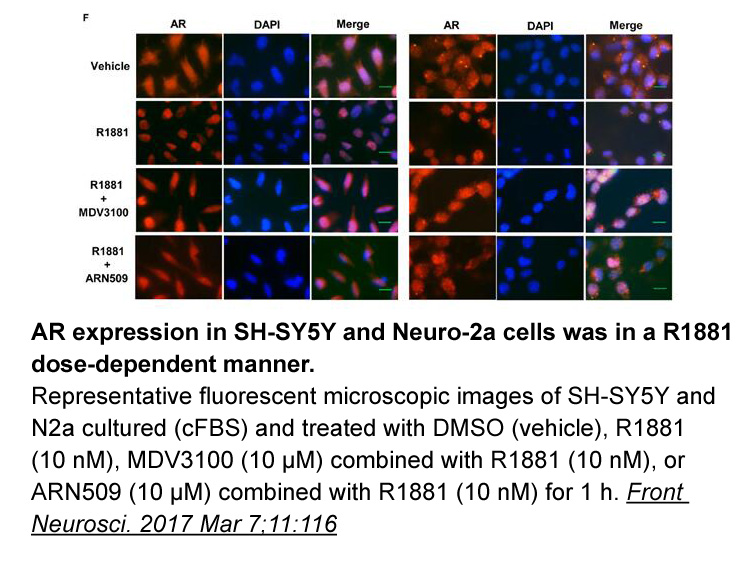
Pregnane X receptor (PXR) is a nuclear receptor that plays an important role in regulation of metabolism and disposition of structurally diverse xenobiotics as well as endogenous steroids and bile acids (Bertilsson et al., 1998, Kliewer et al., 1998, Lehmann et al., 1998). PXR regulates the metaboli
-
Mechanistically NAergic signaling in the VTA modulates neuro
2025-01-20
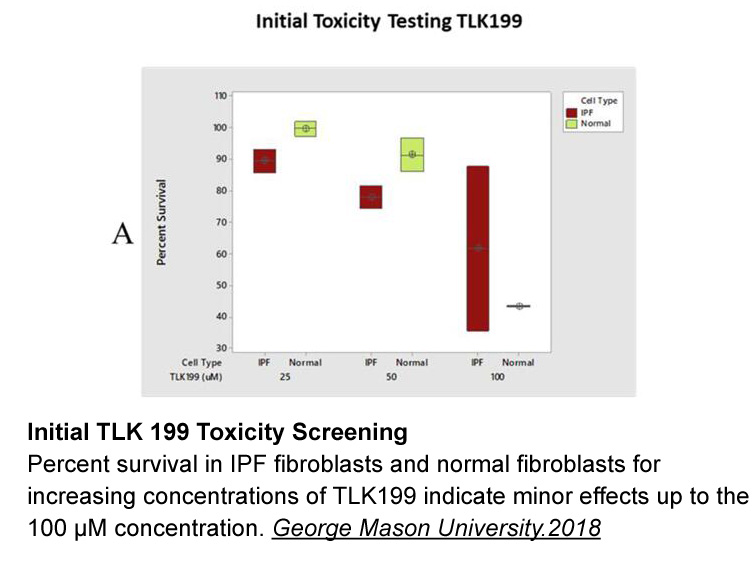
Mechanistically, NAergic signaling in the VTA modulates neuronal activity presumably via α1-AR. The majority of α1-ARs are found in the VTA are located presynaptically on unmyelinated Chlormezanone mg and axon terminals of glutamatergic and GABAergic neurons. However, α1-ARs are also found on neuro
-
As we previously observed in the
2025-01-20
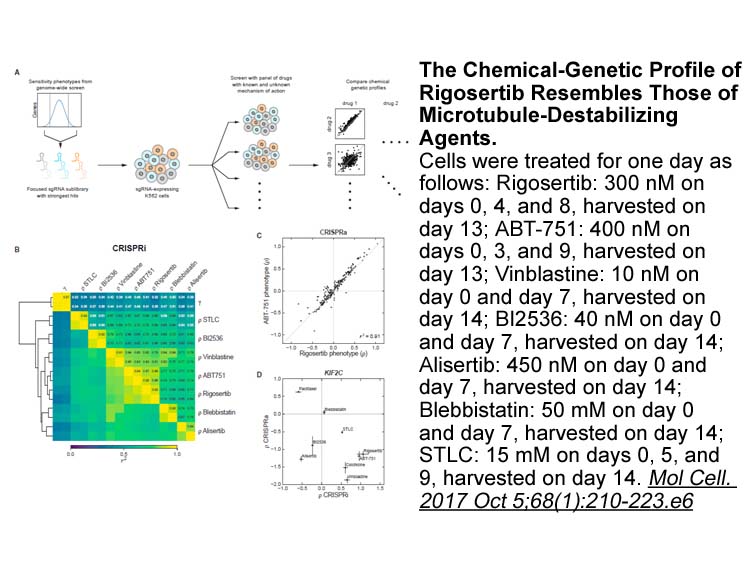
As we previously observed in the NSFT (Fukumoto et al., 2014), the effect of LY341495 in the FST was also inhibited by a 5-HT1A receptor antagonist, indicating the role of the 5-HT1A receptor in the actions of LY341495. Among the 5-HT1A receptors, which exist both presynaptically and postsynapticall
16573 records 51/1105 page Previous Next First page 上5页 5152535455 下5页 Last page